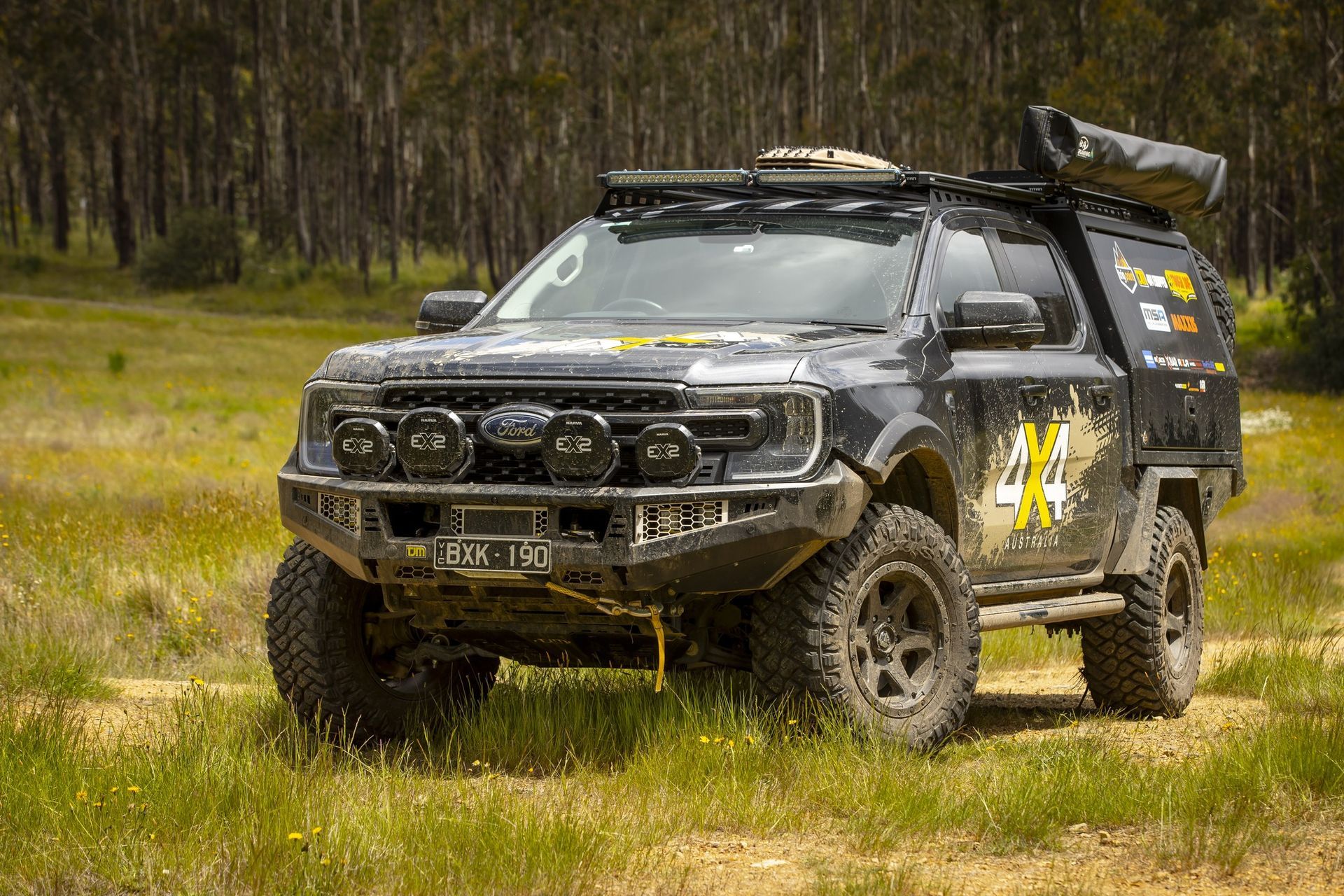
What Bull Bar Problems Fail Roadworthy Inspections In NSW?
TJM Wagga Wagga • May 12, 2026
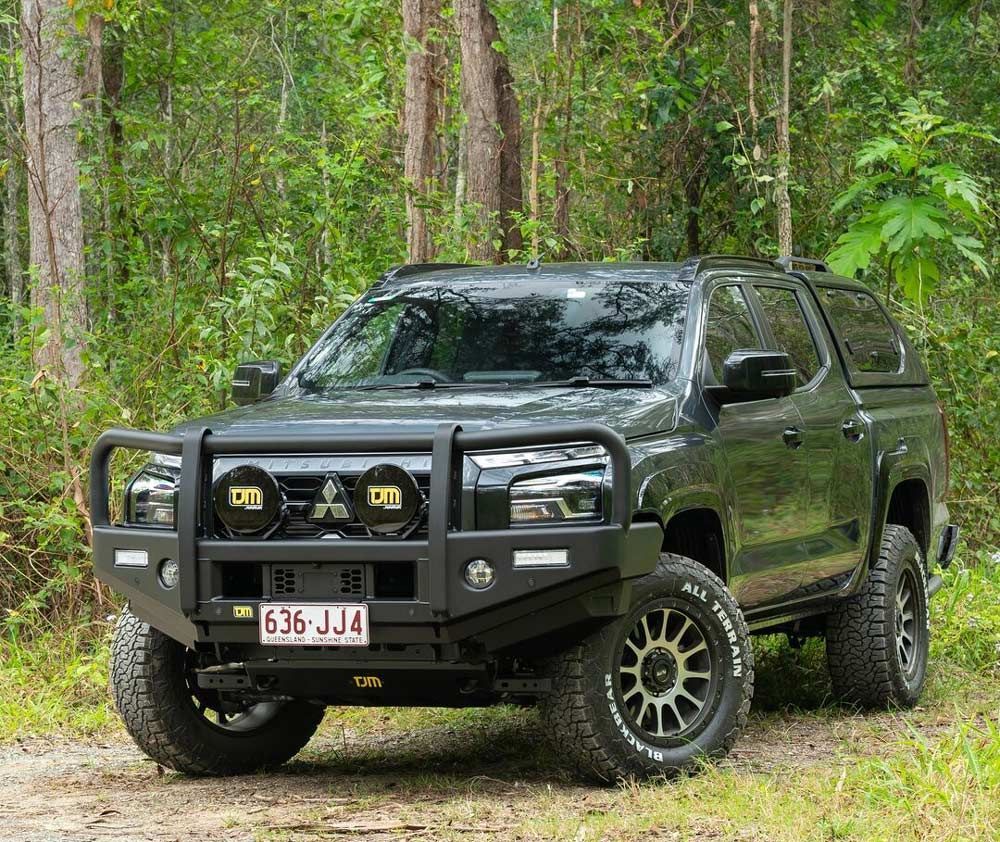
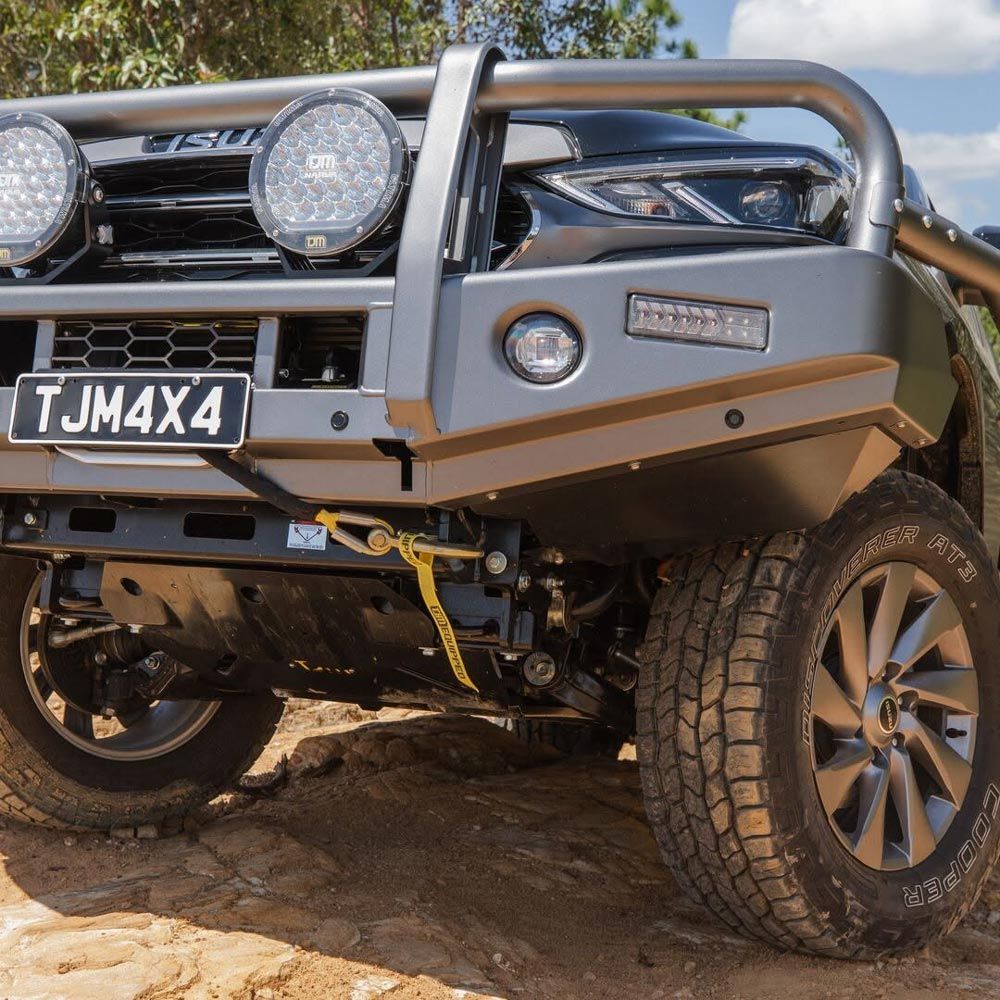
Bull bars are one of the most common upgrades fitted to touring vehicles, utes and off-road 4WDs across Wagga Wagga and the surrounding region. They offer practical protection against animal strikes, support accessories such as driving lights and winches, and help vehicles handle demanding driving conditions more effectively. However, many drivers are surprised to learn that not every bull bar setup automatically complies with NSW roadworthy requirements. A vehicle may look tough and capable on the outside while still failing a pink slip inspection because of issues relating to installation, visibility, structural safety or accessory placement.
Roadworthy inspections focus on ensuring modifications do not compromise vehicle safety for drivers, passengers or other road users. For anyone investing in bull bars in Wagga Wagga or broader 4x4 accessories in Wagga Wagga, understanding the most common inspection failures can help avoid unnecessary delays, costly corrections and registration complications.
Incorrectly Installed Bull Bars
One of the leading causes of roadworthy inspection failures is improper installation. Even quality bull bars in Wagga Wagga can become safety concerns when they are mounted incorrectly or fitted without following manufacturer specifications.
Inspectors often check for:
- Loose or unstable mounting points
- Missing bolts or incorrect fasteners
- Uneven alignment across the front of the vehicle
- Signs of excessive movement or vibration
A poorly installed bull bar may affect crash performance and place additional strain on the chassis during normal driving conditions. Over time, loose fittings can also worsen due to vibration, corrugated roads and off-road use. Professional installation is particularly important when fitting aftermarket 4x4 accessories in Wagga Wagga, especially for vehicles used in touring and demanding work environments.
Bull Bars That Interfere With Safety Systems
Modern vehicles rely on integrated safety technology that must remain operational after modifications are installed. Bull bars that obstruct or interfere with these systems can easily trigger compliance concerns during inspection.
Common issues include:
- Blocking airbag sensors
- Interfering with adaptive cruise control systems
- Obstructing parking sensors or cameras
- Reducing headlight or indicator visibility
Manufacturers design many factory safety systems to work within precise tolerances. Altering airflow, sensor positioning or impact zones can affect how those systems respond during a collision. Choosing bull bars in Wagga Wagga that are specifically engineered for your vehicle model helps minimise compatibility risks and keeps your safety systems functioning as intended.
Sharp Edges and Unsafe Protrusions
Roadworthy inspectors also assess whether a bull bar presents unnecessary danger to pedestrians, cyclists or other vehicles. Sharp edges or protruding accessories can create hazards and lead to inspection failure.
Potential issues include:
- Exposed metal corners
- Pointed recovery points extending outward
- Unsecured brackets or mounts
- Accessories protruding beyond legal limits
These problems commonly occur after additional modifications are added over time. Mounting brackets for antennas, lights or recovery equipment may unintentionally create sharp protrusions that no longer comply with safety regulations. Maintaining a clean, professionally finished installation is essential for both compliance and everyday safety — particularly when building up a full 4x4 accessories setup in Wagga Wagga.
Rust, Corrosion and Structural Weakness
Bull bars are constantly exposed to harsh environmental conditions including moisture, mud, road grime and the dry, dusty conditions common throughout the Wagga Wagga region. Over time, corrosion and structural deterioration can weaken the integrity of the bar.
Inspectors may identify concerns such as:
- Surface rust around welds and brackets
- Corrosion affecting mounting points
- Cracked welds or damaged tubing
- Bent or twisted structural sections
Damage from previous collisions or off-road impacts can also compromise performance, even if the damage appears cosmetic. A structurally weakened bull bar may not provide adequate protection during another impact and could increase safety risks. Routine maintenance and inspections are important for identifying deterioration before it becomes a compliance issue.
Non-Compliant Driving Lights and Mounted Accessories
Additional 4x4 accessories in Wagga Wagga fitted to bull bars can also contribute to inspection failure if they are positioned incorrectly or installed unsafely. Driving lights, antennas and recovery equipment all need to meet visibility and dimension requirements.
Inspectors commonly look for:
- Driving lights mounted above permitted height limits
- Lights obstructing the driver's field of vision
- Oversized antennas positioned unsafely
- Loose or unstable mounted accessories
As more equipment is added to a vehicle, it becomes easier for modifications to unintentionally breach compliance standards. Drivers should consider how every accessory integrates with the entire setup rather than viewing each component in isolation.
Bull Bars That Affect Vehicle Dimensions
Bull bars must also comply with regulations relating to vehicle size and positioning. Installations that significantly alter the vehicle's dimensions can become problematic during a roadworthy inspection.
Potential issues include:
- Excessive forward protrusion
- Bull bars extending wider than the vehicle body
- Reduced visibility caused by oversized setups
- Ground clearance issues affecting safe operation
Oversized modifications may also impact handling and increase risk during collisions. This is particularly relevant for heavily modified touring vehicles in and around Wagga Wagga carrying multiple front-end accessories. A compliant setup should balance protection, functionality and safe operation without compromising roadworthiness.
Poor Quality or Non-Approved Products
Not every aftermarket bull bar available meets Australian standards or complies with road safety expectations. Lower-quality products may use weaker materials, poor welds or inadequate mounting systems.
Inspectors may identify concerns such as:
- Thin or low-grade steel construction
- Weak weld integrity
- Homemade mounting modifications
- Non-certified imported products
When sourcing bull bars in Wagga Wagga or any other 4x4 accessories in Wagga Wagga, always confirm that products are certified for legal road use and suited to Australian driving conditions. Quality components also tend to perform more reliably over time, particularly in the demanding touring and off-road conditions experienced throughout regional NSW.
Preparing Your Vehicle Before a Pink Slip Inspection
Many bull bar-related failures can be avoided through a simple pre-inspection check. Reviewing the condition of your vehicle beforehand allows you to identify issues early and organise repairs if required.
Helpful preparation steps include:
- Tightening all visible mounting hardware
- Checking lights and electrical connections
- Inspecting for cracks, rust or loose fittings
- Confirming accessories are securely attached
- Cleaning dirt and debris from the bull bar assembly
It is also worthwhile checking whether recent modifications may have altered compliance requirements. Small additions that seem harmless can sometimes affect visibility, dimensions or safety standards unexpectedly. Being proactive before an inspection often saves time and helps avoid the inconvenience of repeat inspections or delayed registration renewals.
Understanding Why Compliance Matters
Roadworthy regulations are not simply administrative requirements. They exist to help ensure vehicles remain safe for both occupants and other road users. Bull bars, while highly practical, alter the front-end structure of a vehicle and therefore receive close attention during inspections.
A compliant bull bar setup helps support:
- Safer collision performance
- Reliable airbag deployment
- Improved pedestrian safety
- Better visibility and vehicle control
- Reduced long-term structural issues
Understanding these requirements allows vehicle owners in Wagga Wagga and surrounding areas to make informed decisions when modifying their vehicles, rather than focusing only on appearance or accessory compatibility.
Reach Out To Learn More
At TJM Wagga Wagga, we help drivers build practical, compliant and reliable 4WD setups for touring, work and everyday driving across Wagga Wagga and the surrounding region. Whether you are sourcing bull bars in Wagga Wagga, exploring 4x4 accessories in Wagga Wagga, or preparing your vehicle for a roadworthy inspection, our team can help you choose the right equipment for your vehicle and intended use. Visit our website to explore our range or speak with our team today.
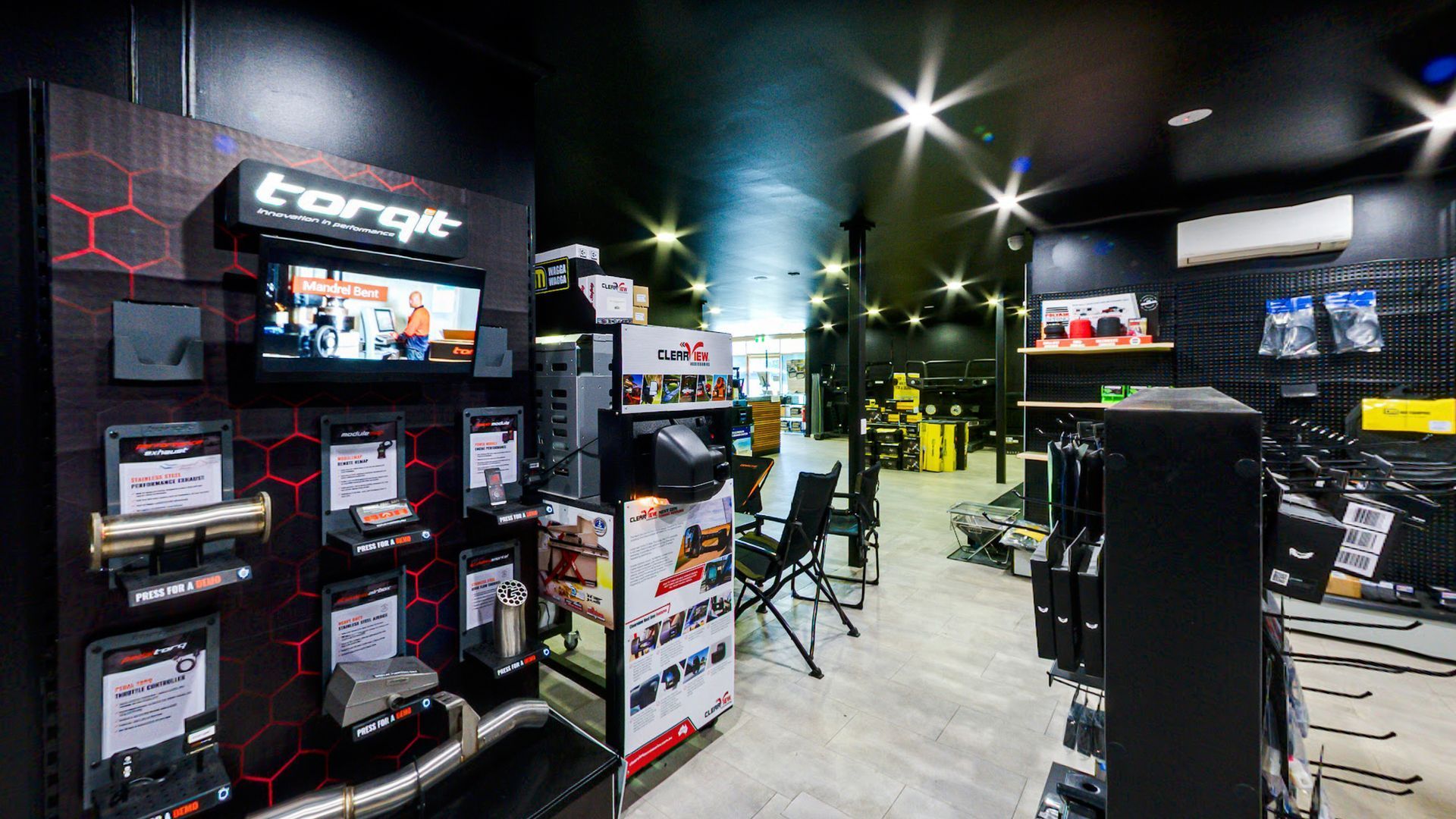
Explore 4x4 accessories in Wagga Wagga and learn what to consider when choosing canopy storage and accessories for work or touring. Get started today.
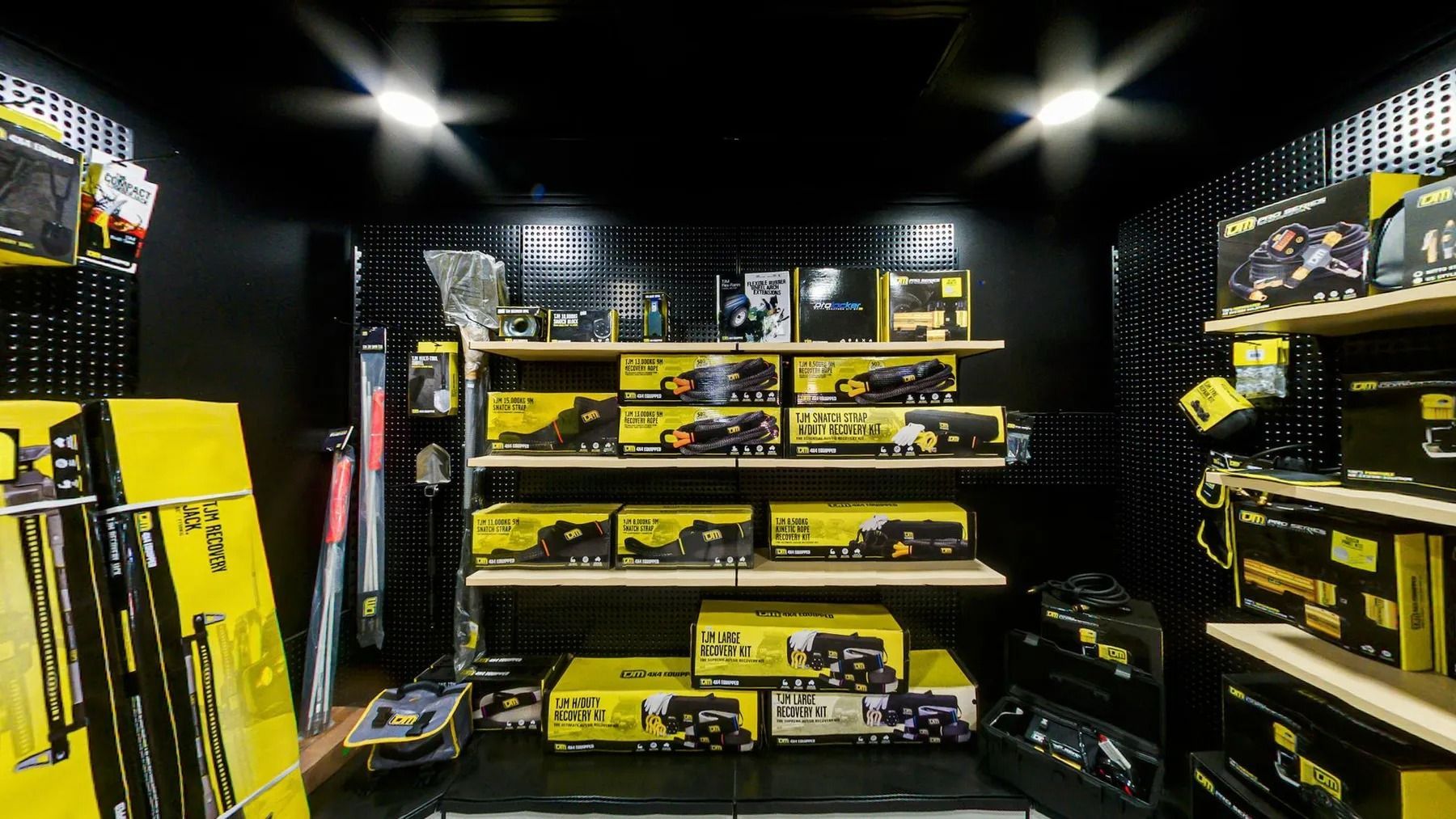
Planning a 4x4 upgrade? Discover the right 4x4 accessories in Wagga Wagga for protection, suspension, storage & towing built for Australian condition.
Learn the warning signs of suspension wear and when to upgrade with 4x4 accessories in Wagga Wagga. Read more today now.
Learn how worn suspension affects 4x4 handling on NSW terrain. Find quality 4x4 accessories in Wagga Wagga and upgrade your suspension today.